

Sustainable Living at Home and Around the World

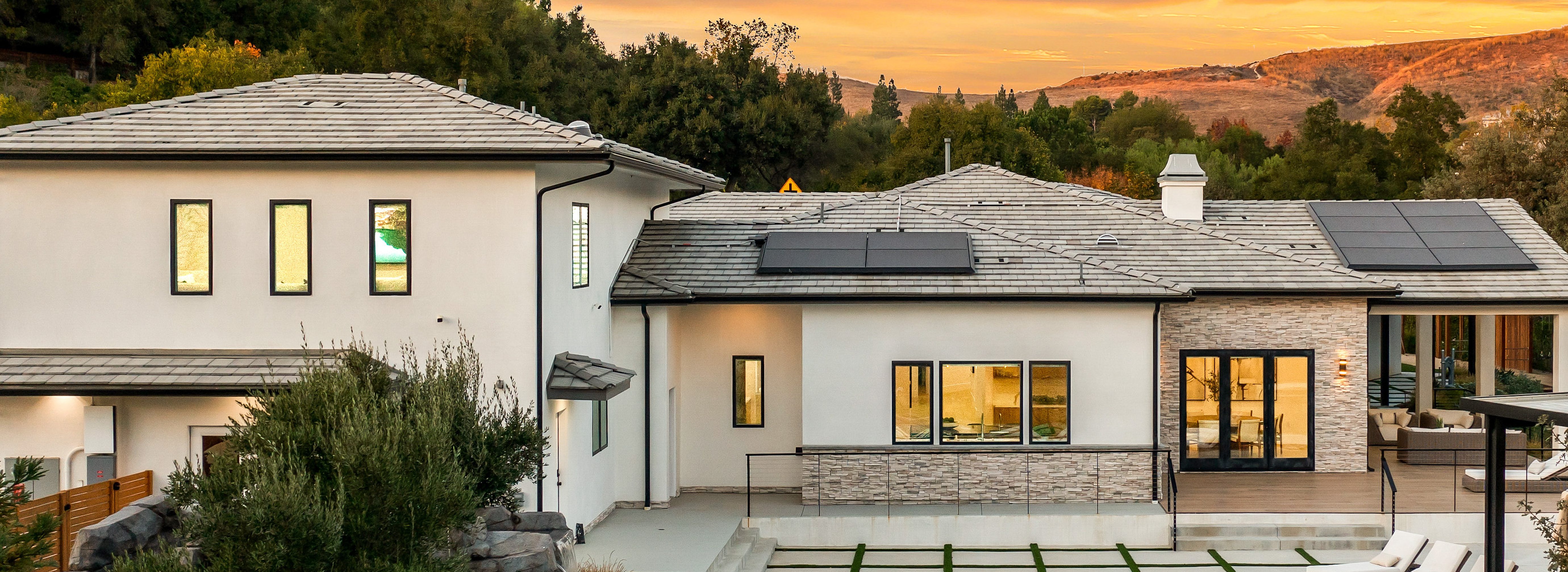
153 Nob Hill Lane, Ventura, California | With panoramic ocean and city views, this 2022-built Scandinavian-inspired residence embraces wellness-focused living with solar power, battery storage, a Home Energy Rating System (HERS) certification, and balanced air recovery ventilation for clean, filtered indoor air.
Listed and sold by Anna Stephan, LIV Sotheby’s International Realty
As global temperatures rise and energy costs follow suit, homeowners and buyers alike are becoming increasingly intentional about sustainability. From California to Copenhagen, home design is undergoing a green evolution shaped by climate awareness, advances in technology, shifting regulations, and a new generation of environmentally conscious buyers.
Leslie Rouda Smith, 2022 President of the National Association of REALTORS®, says, “Sustainability continues to play a growing role in consumers’ purchasing decisions, and this is becoming even more prevalent in the real estate market.” Sustainability is no longer a fringe trend. It’s a lifestyle shift reshaping real estate.
Global Trends in Sustainable Home Design
Around the world, homes are integrating increasingly sophisticated eco-technologies. In Europe, particularly in Germany and Scandinavia, Passive House (or Passivhaus) principles have become the gold standard. These ultra-efficient buildings use airtight construction, triple-glazed windows, and high-efficiency ventilation systems to slash energy use by up to 90% compared to conventional homes, according to the Passive House Institute.
In Japan, smart homes featuring Zero Energy Home (ZEH) systems are gaining traction, combining solar power with advanced insulation, battery storage, and AI-powered efficiency management. Meanwhile, in the United States, ENERGY STAR, LEED for Homes, and Zero Energy Ready certifications are helping consumers navigate increasingly ambitious benchmarks in energy performance and environmental responsibility.
Sustainability in California Homes
In fire-prone regions like California, sustainability often dovetails with resilience. Materials that are both fire-resistant and energy-efficient—such as fiber-cement siding, metal roofs, and dual-pane tempered glass—are increasingly favored by both builders and buyers. Landscaping with native plants and strategic defensible space not only conserves water but can also slow the advance of wildfires. According to CAL FIRE, such measures significantly improve a home’s chances of surviving wildfire events.
At the regulatory level, California continues to raise the bar. The California Green Building Standards Code (CALGreen) and Title 24 energy mandates set ambitious sustainability benchmarks that continue to shape design decisions across the state. Since January 1, 2020, most new single-family and low-rise multifamily buildings have been required to include solar photovoltaic (PV) systems—a first-of-its-kind mandate in the U.S., originally projected to reduce residential carbon emissions by more than 700,000 metric tons over its first three years.
More recent code updates have accelerated these efforts. The 2022 Title 24 energy standards, effective January 2023, are estimated to cut annual CO₂ emissions by more than 142,000 metric tons, largely through improved building envelope requirements and electric-ready infrastructure. Simultaneously, CALGreen’s 2022 and 2024 amendments galvanized carbon reduction requirements, mandating that most new construction either demonstrate a lifecycle carbon reduction or utilize specified low-carbon materials such as EPD-rated steel and concrete. These evolving standards reinforce California’s role as a national leader in sustainable residential development.

153 Nob Hill Lane, Ventura, California | Advanced wall systems, dual-pane Eurotek windows, and TPO roofing support energy efficiency and durability, while drought-tolerant landscaping and sweeping ocean views elevate this hillside retreat.

16096 Maricopa Highway Ojai, CA 93023
EV charging system supports efficient, modern living behind the scenes.
Listed by Kristen Currier, LIV Sotheby’s International Realty

1005 N Signal Street, Ojai, California | Designed by Otis Bradley, Casa Verde blends sustainable innovation with natural beauty. Built with recycled and renewable materials, the home features clerestory windows, radiant heated floors, and water-smart landscaping—uniting comfort with conservation.
Listed and sold by Tyler Brousseau, LIV Sotheby’s International Realty
“Sustainability continues to play a growing role in consumers’ purchasing decisions, and this is becoming even more prevalent in the real estate market.”
Leslie Rouda Smith,
2022 President, National Association of REALTORS®
Then, Now, and Next: The Evolution of Green Features
The green features of the early 2000s—think bamboo flooring, compact fluorescents, and low-VOC paint—paved the way for a new era of home sustainability. Today’s high-performance homes go further, blending thoughtful design with cutting-edge systems.
According to the NAHB (National Association of Home Builders), the most in-demand sustainable features include:
- ENERGY STAR-rated appliances (requested by 90% of surveyed buyers)
- High-efficiency windows and advanced insulation
- Water-conserving fixtures and drought-tolerant landscaping
- Smart thermostats and lighting
Looking forward, bio-based building materials such as hempcrete and mass timber are gaining interest for their low embodied carbon. Meanwhile, greywater systems, green roofs, and biophilic design are emerging as key elements in next-generation homes.

Solar energy meets elevated living in this ultra-luxury estate, offering both elegance and long-term efficiency.
4187 Oak Place Drive, Westlake Village, California
Listed and sold by Juliana Lisheski, LIV Sotheby’s International Realty
Certified Green Agents: Why They Matter
As interest in eco-conscious living grows, the guidance of professionals trained in sustainable home features becomes invaluable. A REALTOR® with the National Association of REALTORS® Green Designation can help buyers and sellers navigate the landscape of certifications, rebates, and environmentally minded upgrades.
As reported by the NAR 2024 Sustainability Report, 45% of REALTORS® reported that clients expressed interest in sustainability, and 62% had worked with properties that featured green elements.
In markets like Ventura County, this expertise can also help clients access programs such as PACE (Property Assessed Clean Energy) financing, which allows for solar panel installations, energy-efficient HVAC upgrades, and insulation projects to be financed through liens and property tax assessments—with minimal upfront costs.
Why Sustainability Is a Smart Investment
Beyond reducing environmental impact, green homes deliver tangible daily benefits: lower utility bills, healthier indoor air, and improved durability. They also perform better in the marketplace. A 2023 Freddie Mac study found that homes with higher energy-efficiency ratings sold for 2.7% more on average than unrated homes.
Additionally, research by the World Green Building Council shows that green buildings can reduce operating costs by up to 14% over five years, reinforcing their value as long-term investments.
In an era shaped by climate adaptation and evolving buyer priorities, sustainable homes offer more than energy savings, they represent a thoughtful and forward-looking way of life. With the help of innovative technologies, resilient materials, and informed real estate professionals, building greener isn’t just a possibility. It’s becoming a new standard.


